

With global attention turning toward a reported visit by former U.S. President Donald Trump to China, business leaders and supply-chain managers are watching closely. While the political landscape is complex, such high-level engagement typically carries economic signals worth noting.
For fashion manufacturers, suppliers, and international trading companies—even boutique brands like 3Nice Clothing—there are meaningful opportunities hidden in this diplomatic moment.
📈 1. Trade Dialogue Can Ease Costs for Sourcing
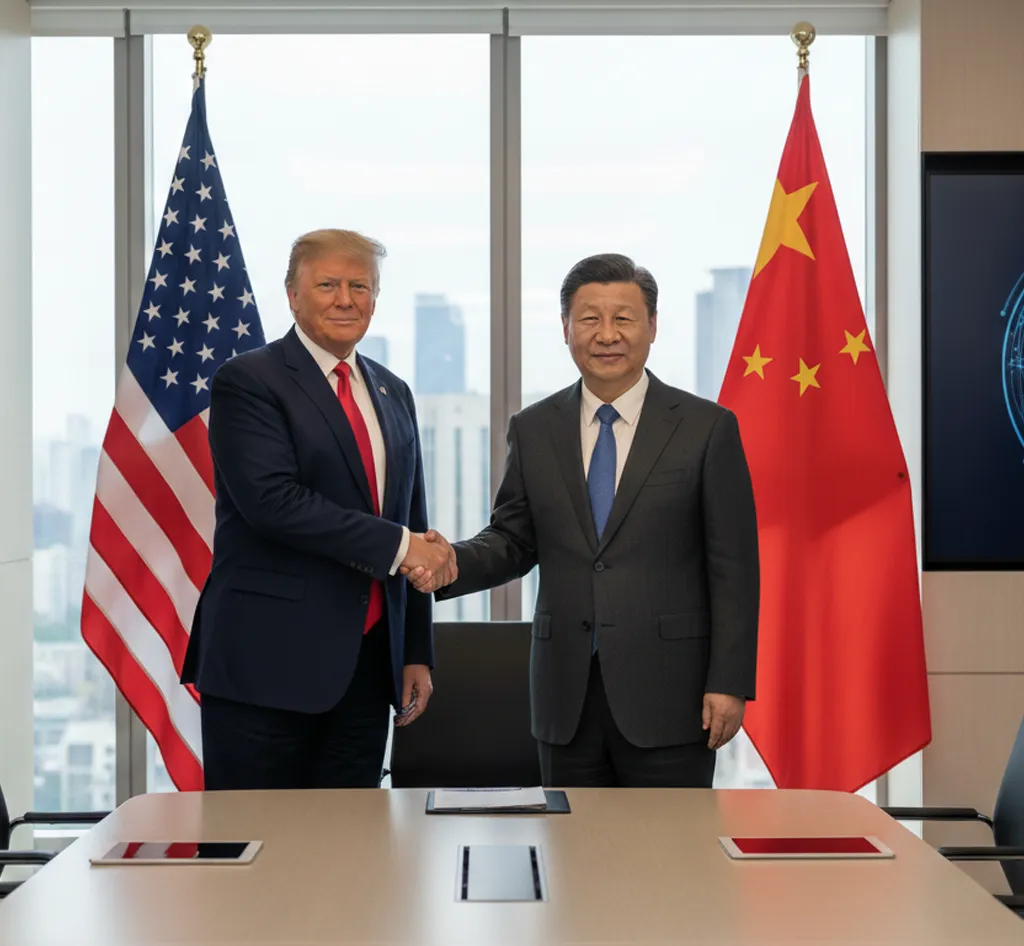
Tariffs and policy shifts over the past years have directly impacted cost structures for companies importing goods from China. For many fashion businesses, unpredictable duties increase risk, slow down product launches, and shrink margins.
A visit by a major U.S. political figure can:
Open space for renewed negotiation on tariffs
Reduce uncertainty for importers and exporters
Support more predictable cost planning
Even partial reductions or clearer trade frameworks would be welcomed by brands that source fabrics and finished goods from Chinese partners, like suppliers of garments found on your own site.
🔄 2. Reinforcing Confidence in Global Supply Chains
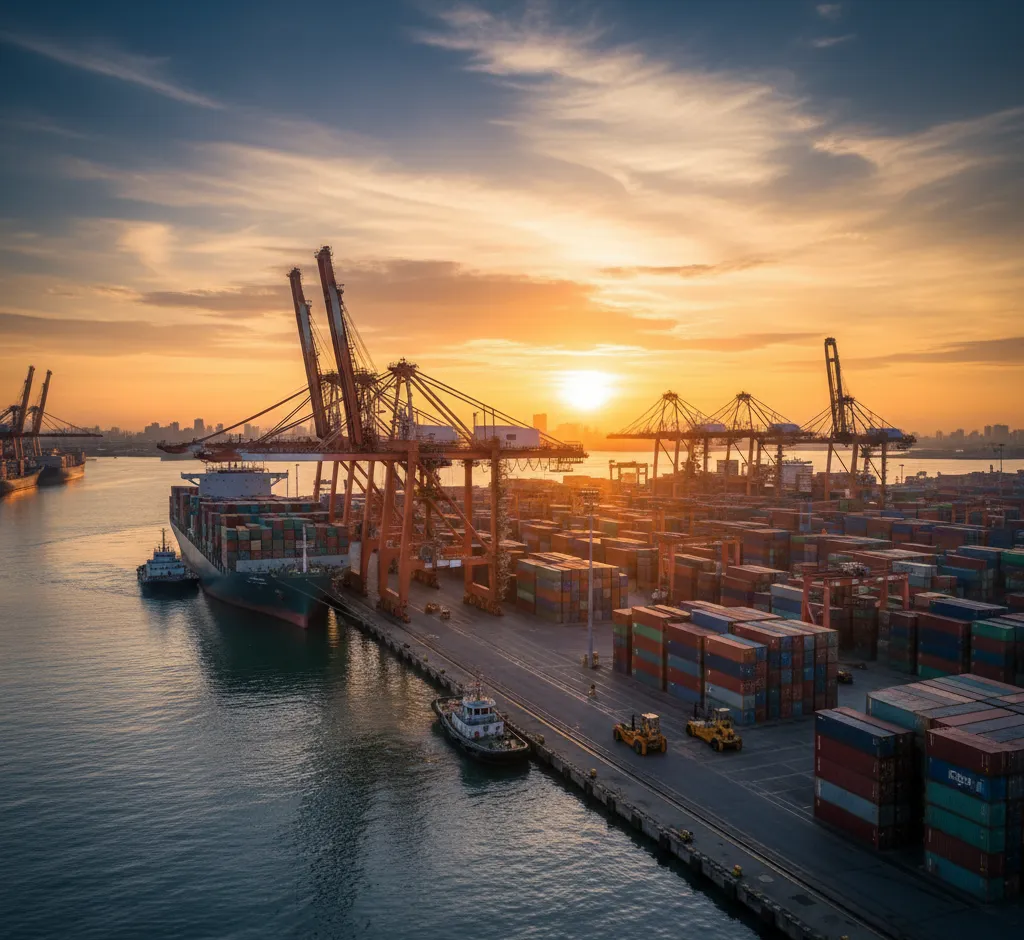
Many companies diversified away from China in recent years due to geopolitical risk. But manufacturing hubs in China remain highly integrated with logistics, materials, and human capital — a reality many brands rely on.
Improved strategic cooperation may contribute to:
More reliable delivery timelines
Lower forced inventory buffer costs
Better transparency for cross-border logistics
For a brand with flexible MOQ and small batch capabilities like 3Nice, stable supply flows create competitive advantage.
🌾 3. Positive Signals for Commodity and Textile Markets
China imports vast quantities of raw materials used in textile manufacturing. Stronger bilateral relations can support:
Greater stability in cotton and fabric prices
More transparent contracts for raw material sourcing
Improved planning for seasonal production
These trends help fashion brands forecast pricing and adjust product planning accordingly.
🌍 4. Strategic Dialogue Beyond Trade
Large-scale visits often include discussion of broader topics such as:
Technology and industrial cooperation
Investment and financing frameworks
Standardization in international trade
Even incremental cooperation builds confidence in global markets and can be a catalyst for renewed brand investment and expansion planning.
🧵 Conclusion: Cautious Optimism, Real Opportunity
While political negotiation rarely produces perfect outcomes, the act of high-level engagement itself sends a signal to markets and businesses:
That dialogue continues. That economic considerations matter. That supply chains remain viable.
For brands in fashion, sourcing, and global trade—especially those operating internationally—this is an opportunity to align strategies, manage risk, and position for growth.